/01/Thought leadership
Published 1 Nov 2026
There is a familiar way to buy branding and marketing. A strategy consultancy writes the positioning. A design agency turns it into an identity and a website. A marketing agency takes the website and runs campaigns from it. Each is a specialist. Each does good work. And somewhere between the three, the thing the customer was supposed to understand goes quietly missing.
We built Playbook so that it would not. This is why.
The handover problem
Every handover is a translation, and every translation loses something. The strategist hands over a deck. The designer reads the deck, but was not in the room when the customer said the thing that made the positioning make sense. The marketer gets the brand guidelines, but not the argument behind them, and under pressure for this month’s numbers writes an ad that says something easier.
None of this is anyone’s fault. It is the structure. Three suppliers, three contracts, three sets of incentives, and a client in the middle trying to carry the idea between them in their own head. The idea arrives at the customer thinner each time.
The cost is not usually dramatic. It is a brand that is almost consistent. A website that is beautiful but says something slightly different from the strategy. Campaigns that perform but could be anyone’s. Almost is the expensive word.
What gets lost between the strategist, the designer and the marketer
Three things, in our experience.
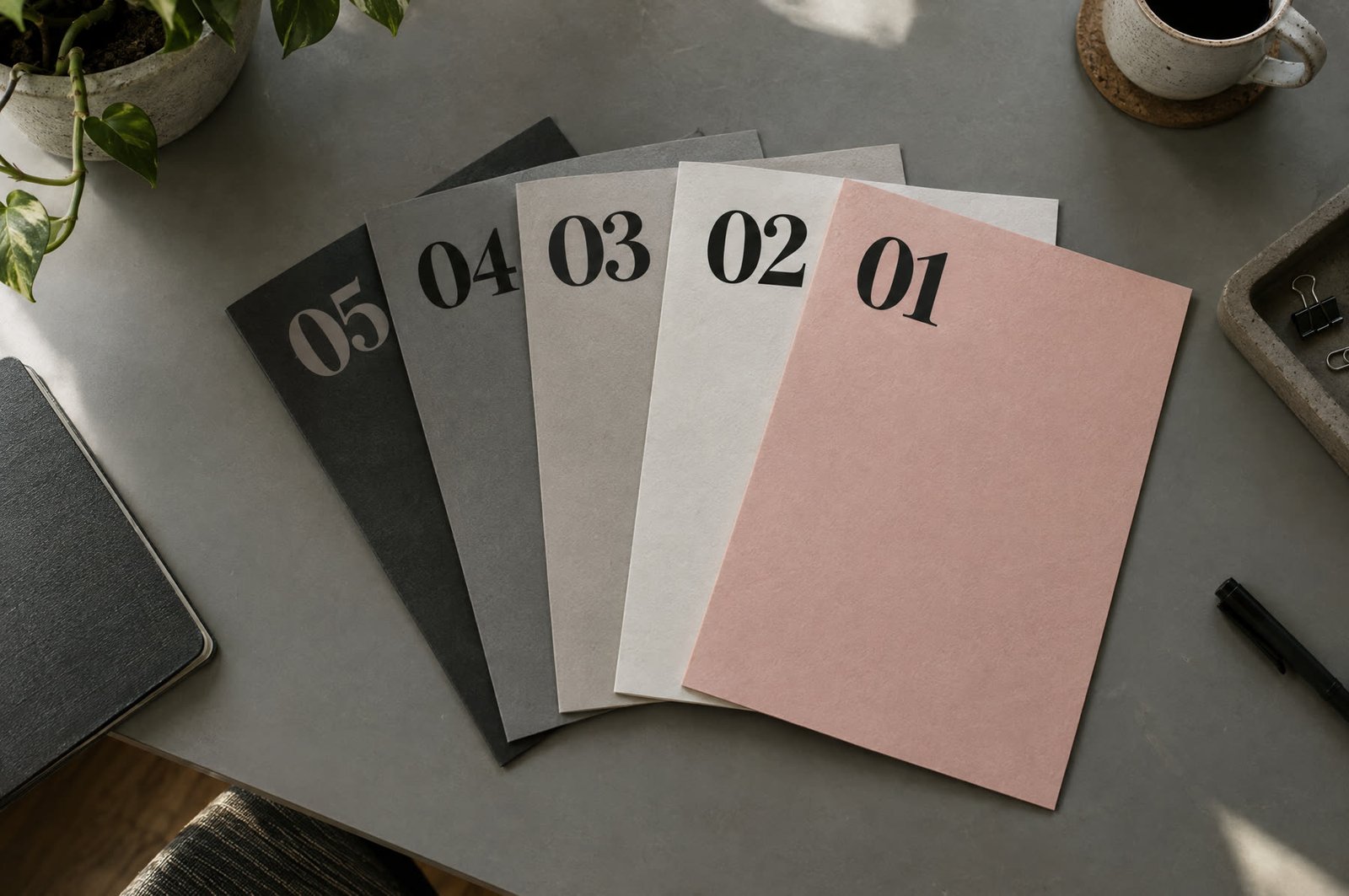
01 The evidence. Strategy is built on research: customer conversations, the tensions between what the business believes and what the market says. The designer who did not hear those conversations designs from the summary. The marketer who never saw the research cannot tell which message will land, so tests everything from scratch. The insight that cost weeks to find is spent once and forgotten.
02 The idea. A strategy worth having has one organising idea, a line that makes everything else easier. It is the hardest thing to hand over, because it lives partly in the reasoning around it. By the third supplier it has become a tagline nobody can explain.
03 The feedback. Growth work produces information every week: which message converts, what customers ask, which page they leave from. In a three-agency structure that information stops at the marketer. It never reaches the people who shaped the brand, so the brand never improves. Strategy and design become things that were done once, years ago.
The research on marketing effectiveness is clear that creativity and consistency are what make campaigns pay back over time. Both are casualties of the handover.
How we work: Find, Shape, Tell, Move
Our method has four steps, and the point of it is that the same people carry the work through all four.
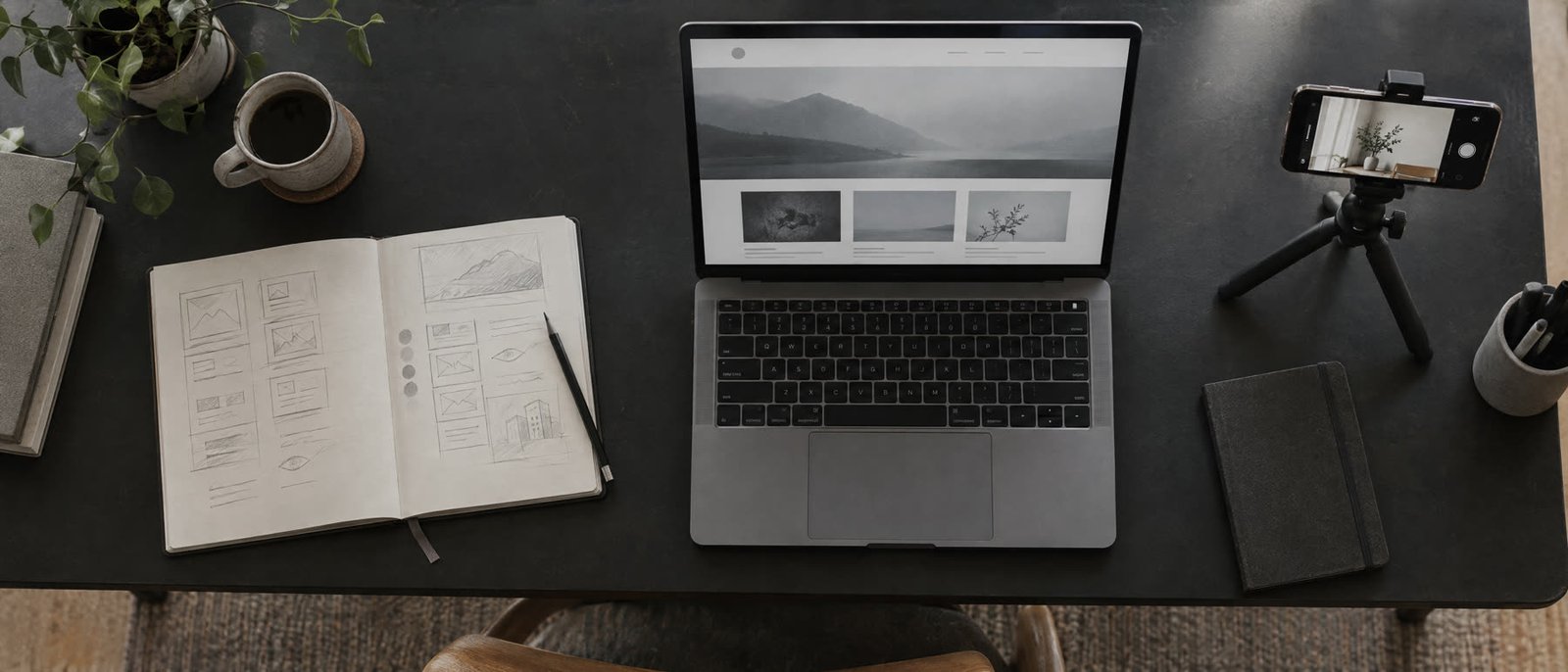
Find is research: the business, the customer, the culture and the market. The people who run the Find workshop are the people who will design and market the result, so the customer’s words are heard first-hand by everyone who will use them.
Shape is strategy: the positioning, the one-page brand platform, the organising idea. Written by the people who did the research, with the designers in the room, so the idea is tested against what can be made before it is signed off.
Tell is creative form: identity, website, content, campaign. Designed against the platform by people who helped write it, so the design is judged on whether it expresses the idea, not on taste.
Move is launch, measurement and growth: putting the work into the world, seeing what happens, and feeding it back. Because the growth team is the strategy team, what the market says changes the brand, and the brand keeps getting sharper.
The full method is set out in Approach. It is not complicated. Its value is in the one thing it refuses to do: hand the story to someone who was not there when it was found.
One story, from positioning to performance
The practical result is that a client’s brand says one thing, and says it everywhere, from the first research finding to the last campaign report.
The positioning line in the platform is the headline on the website. The tension we found in research becomes the insight in the case study. The personality traits in the guidelines are the voice of the welcome email. The ad that converts best is recognisably the same idea as the identity. Nothing has to be re-explained, because nobody has to be told.
It also means we can be judged on what matters. A strategy consultancy is judged on the deck. A design agency is judged on the launch. A marketing agency is judged on the month. One team that owns all three is judged on whether the brand moved the business. That is a harder standard, and it is the right one.
We describe each project in five chapters, challenge, insight, idea, expression, impact, because that is the shape the work takes when one team carries it end to end. Chapters, not slides explains the format. Our Work page lists the brands we have done it for, with case studies to follow.
What it asks of us: proud of the craft, restless to improve, choosy about clients
Working this way is a commitment, not a convenience. It asks three things of us.
Proud of the craft. A team that does strategy, design and growth has to be genuinely good at all three, not a design studio with a strategist on call and a freelancer running the ads. We hire for it, we invest in it, and we would rather do fewer things to a high standard than offer everything.
Restless to improve. Owning the results means the results come back to us. When a campaign underperforms, it is our strategy and our design that are being tested, and we have to be willing to change them. That is uncomfortable. It is also why the work gets better.
Choosy about clients. One team carrying a brand from research to results works when the client wants that. It does not work for a client who wants a logo by Friday, or who has already decided what the strategy is and needs it decorated. We say no to those, politely, because they would not get what we are good at.
When one team is the wrong choice
Honesty about the model means saying where it does not fit.
If you already have a strong in-house brand and growth team and need a specialist for one defined thing, a specialist may serve you better. If you are a large organisation with procurement rules that separate strategy, creative and media by policy, the structure is decided for you. If the job is purely technical, a platform build with no brand question attached, a development partner will be cheaper and faster.
And if you want three independent opinions as a check on each other, there is a case for that, provided someone senior on your side owns the story and has the time to carry it between suppliers. Most founder-led businesses do not have that person. That is usually the problem we are hired to solve.
What working with us looks like
We work with founders and growth leads building in fashion, entertainment, technology and Web3. Most engagements start with a project, a defined piece of work with a start, an end and a fixed fee, that takes a brand through Find, Shape and Tell and into Move. Many continue as a partnership, a monthly arrangement where the same team keeps the brand moving: growth, content, new work, and the steady improvement that only comes from staying close.
Either way you get the same team throughout, a status update every Friday, a reply within one working day, and ownership of everything we make once the final invoice is paid. The three disciplines are described on Services, and in more depth on Brand Strategy, Digital Design and Growth Marketing. How a project or partnership starts, and what each costs, is on Work with us.
If the handover problem sounds familiar, start a conversation. We will tell you honestly whether one team is the right answer for you.
The brand gets lost in the handovers. One team that owns the story from research to results is how the brand moves the business.